
Dehydrated Vegetables

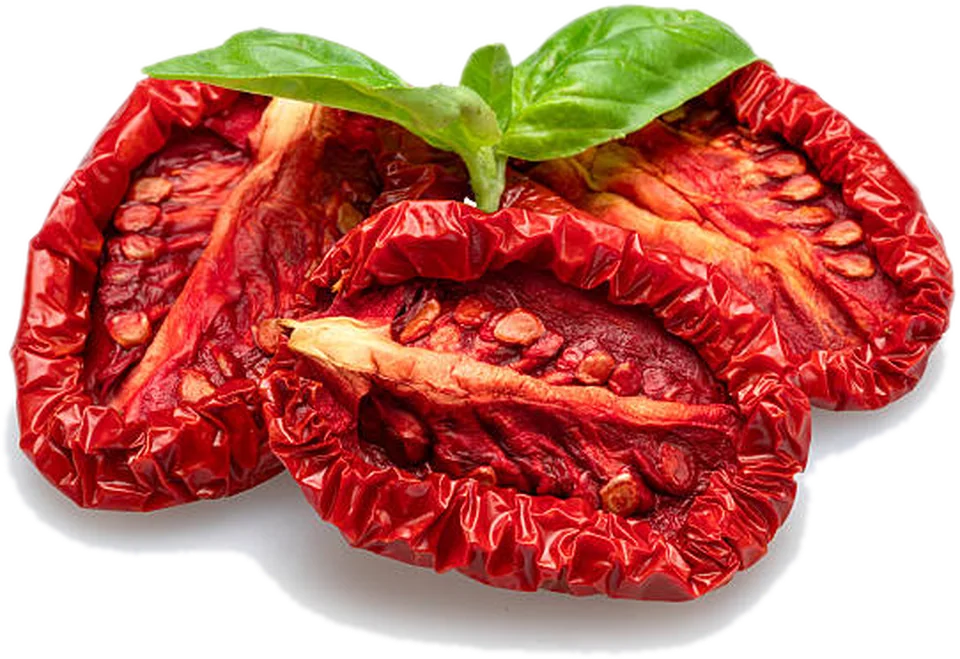
Dehydrated Tomato

Solanum lycopersicum L.

Uniform flakes or powder according to grade
Document
OH-SPEC-DTO-01
HS code
0712.90
Harvest
All year (summer and winter crops)
Shelf life
18 months
Specification PDF
Dried dehydrated tomato from Egypt
Specification

Written specification, OH-SPEC-DTO-01.

Issue 01 · the full sheet below, or download it as PDF for your supplier file.

01Product Identification

Product name
Egyptian Dehydrated Tomato
Botanical name
Solanum lycopersicum L.
Plant family
Solanaceae
Part used
Ripe fruits
Form / cut
Flakes 3–9 mm, granules or powder
HS code (reference)
0712.90 *
Country of origin
Egypt
Country of processing
Egypt
Harvest season
All year (summer and winter crops)
Treatment status
Air dried (AD); not irradiated, not fumigated with ethylene oxide, no additives.

02Description of Processing

  1. 1Raw material

    Ripe red tomatoes from contracted farms; washed and sorted.

  2. 2Washing & trimming

    Washed in potable water, inspected, trimmed and de- stoned.

  3. 3Cutting

    Fruits are sliced or crushed to the required size.

  4. 4Air drying (AD)

    Continuous multi-stage hot-air belt dryer at controlled temperature; no sulphites or other additives.

  5. 5Milling & sieving

    Dried product is milled where required and sieved to the specified particle size.

  6. 6Hand inspection

    Final inspection belt fitted with high-intensity magnets.

  7. 7Metal detection

    Every packed unit passes through a calibrated metal detector.

  8. 8Packing

    Packed in clean, food-grade packaging with double PE liner, labelled with lot code and stored on pallets.

03Sensory & Physical Characteristics

Appearance
Uniform flakes or powder according to grade
Colour
Bright red to orange-red
Flavour
Characteristic sweet-sour tomato
Odour
Typical of dried tomato; no burnt or foreign odours
Texture
Dry; hygroscopic, may cake if exposed to humidity

04Analytical Values

ParameterMinimumMaximumMethod
Moisture (% w/w)—6.0 %ISO 939
Total ash (% w/w)—10.0 %ISO 928
Acid-insoluble ash (% w/w)—0.5 %ISO 930

Mycotoxins

MycotoxinMaximum
Aflatoxin B15 µg/kg
Aflatoxins total (B1+B2+G1+G2)10 µg/kg
Ochratoxin A10 µg/kg

No EU maximum levels for aflatoxins or ochratoxin A exist for this dehydrated vegetable; limits shown are Orient Herbs specification.

05Physical Values & Foreign-Body Control

ParameterTargetMinimumMaximum
Particle sizePer grade (flakes, granules, powder)——
Dark / burnt particles——< 1.0 %
Extraneous matter——< 0.1 %
Foreign material (stones, glass, metal, insects)——Absent
Metal Detection – Test PiecesFerrous (Fe)Non-Ferrous (Non-Fe)Stainless Steel (Ss)
Metal detector, every packed unit1.5 mm1.5 mm2.0 mm

High-intensity magnets are fitted at the sorter inputs and outputs and on the final inspection belt. Rejected units are quarantined and investigated.

06Microbiological Values

OrganismMaximum (Cfu/G)
Total viable count (TVC)5 × 10⁵
Coliforms10³
Bacillus cereus10³
Escherichia coli10²
Salmonella spp.Absent in 25 g
Yeasts10³
Moulds10³

Methods: ISO 4833-1 (TVC), ISO 4832 (coliforms), ISO 21528-2 (Enterobacteriaceae), ISO 7932 (B. cereus), ISO 16649-2 (E. coli), ISO 6888-1 (coagulase-positive staphylococci), ISO 6579-1 (Salmonella), ISO 21527 (yeasts & moulds), carried out by an accredited external laboratory.

07Contaminants & Residues

Pesticide residues
Within the maximum residue levels of Regulation (EC) No 396/2005 and retained UK legislation. A multi-residue screen is available per lot on request.
Heavy metals
Lead, cadmium and mercury in accordance with Regulation (EU) 2023/915 and current UK contaminants legislation.
Pyrrolizidine alkaloids
No EU maximum level applies to this product. Weed control in the field and cleaning/sorting minimise PA-containing weed seeds and plant parts.
Ethylene oxide
Not used at any stage. Product complies with the EU MRL for ethylene oxide (sum).
Irradiation
The product is not irradiated and contains no irradiated ingredients.

08Nutritional Information

typical values per 100 g

NutrientPer 100 G
Energy1264 kJ / 302 kcal
Fat0.4 g
of which saturates0.1 g
Carbohydrate75 g
of which sugars44 g
Protein13 g
Salt0.34 g

Typical values from USDA FoodData Central (SR Legacy) reference data for the dried product; not a guaranteed analysis.

09Allergen Information

Allergen (Annex II, Reg. (EU) 1169/2011)In productOn siteProcessed on siteSupply-chain risk
Cereals containing gluten (wheat, rye, barley, oats, spelt, kamut and products thereof)NoNoNoNo
Crustaceans and products thereofNoNoNoNo
Eggs and products thereofNoNoNoNo
Fish and products thereofNoNoNoNo
Peanuts and products thereofNoNoNoYes
Soybeans and products thereofNoNoNoNo
Milk and dairy products (including lactose)NoNoNoNo
Tree nuts (almond, hazelnut, walnut, cashew, pecan, Brazil nut, pistachio, macadamia, Queensland nut)NoNoNoYes
Celery and products thereofNoYesYesNo
Mustard and products thereofNoNoNoNo
Sesame seeds and products thereofNoYesYesNo
Sulphur dioxide and sulphites (> 10 mg/kg or 10 mg/L as SO₂)NoNoNoNo
Lupin and products thereofNoNoNoNo
Molluscs and products thereofNoNoNoNo
Allergens in product
None
* Supply-chain note
Traces of peanut and tree-nut protein cannot be fully excluded because herbs are grown, harvested, transported and stored in open agricultural environments.
Allergen control on site
Celery and sesame seeds are handled on site. Segregated storage, scheduled production with validated cleaning between products, and trained staff are used to prevent cross- contact.
‘May contain’ advice
May contain traces of peanuts and tree nuts due to agricultural and environmental cross- contamination. Customer to risk-assess for final labelling.

10Product Suitability

DietSuitableCertificate
VegetariansYes—
VegansYes—
KosherYesAvailable on request
HalalYesAvailable on request
Coeliacs (gluten-free)Yes—
OrganicOn requestOrganic grade available from certified farms

11Statements

GMO (Reg. (EC) 1829/2003 & 1830/2003)
Neither the product nor any component is produced from genetically modified varieties: Yes. Produced from identity-preserved raw materials: No. Produced from raw materials of GM origin: No. Requires GMO declaration: No.
Nut and peanut
Orient Herbs does not process peanuts or tree nuts. Because many herbs are grown and transported near nuts and peanuts at origin, and containers are outside our control, we cannot give a categorical nut-free guarantee.
Infestation
Goods are cleaned and inspected but, unless heat- or vacuum-treated, cannot be guaranteed free from later infestation. Store as stated below.
Foreign matter
Glass and brittle-plastic policy, pest-control programme and metal detection are in place under our HACCP-based food-safety management system.

12Packing, Labelling & Traceability

Standard packing
Carton boxes with double food-grade PE liner, 20 kg net (powders and granules: 25 kg multi- wall paper bags with PE liner).
Palletising
Clean, fumigated or heat-treated (ISPM 15) wooden pallets, stretch-wrapped.
Label on each unit
Product name, botanical name, lot number, net weight, production date, best-before date, country of origin and buyer’s shipping marks.
Traceability
Lot code links each unit to farm / grower, harvest date, processing batch and laboratory results. Mock recall tested at least once a year.
Documents per shipment
Certificate of analysis per lot, phytosanitary certificate, certificate of origin (EUR.1 where applicable), packing list and commercial invoice.

13Storage & Shelf Life

Storage
On pallets in cool, dry, hygienic, pest-controlled conditions; keep liners closed (hygroscopic). Recommended < 20 °C and < 60 % RH.
Shelf life
18 months from production in unopened original packaging. Delivered with at least 75 % of shelf life remaining.

14Compliance & Certification

Legislation
The material complies with all relevant EU and UK food legislation for dehydrated vegetables and dried herbs at the date of issue.
Factory
HACCP-based food-safety management system; current certificates available on request.
Farms
Selected Egyptian growers working to Good Agricultural Practice (GAP), with farm-level traceability.
Quality control
Each lot is checked on receipt, during processing and before release. Retained samples are kept for the full shelf life.
Buyer questions

About Egyptian dehydrated tomato.

What forms of Egyptian dehydrated tomato do you supply?

Flakes 3–9 mm, granules or powder. Other cuts can be agreed in writing before production.

When is dehydrated tomato harvested in Egypt?

All year (summer and winter crops). Dried material is available year-round, subject to stock.

What is the HS code for dried dehydrated tomato?

For reference, 0712.90. Your customs broker should confirm the classification for your market.

Does your dehydrated tomato meet EU pesticide limits?

Within the maximum residue levels of Regulation (EC) No 396/2005 and retained UK legislation. A multi-residue screen is available per lot on request.

What is the shelf life of dehydrated tomato?

18 months from production in unopened original packaging. Delivered with at least 75 % of shelf life remaining.

How is dehydrated tomato packed for export?

Carton boxes with double food-grade PE liner, 20 kg net (powders and granules: 25 kg multi- wall paper bags with PE liner).

What is the minimum order for dehydrated tomato?

1 MT per product; you can combine several products in one 20ft or 40ft container.
Dehydrated Vegetables

More from this family.

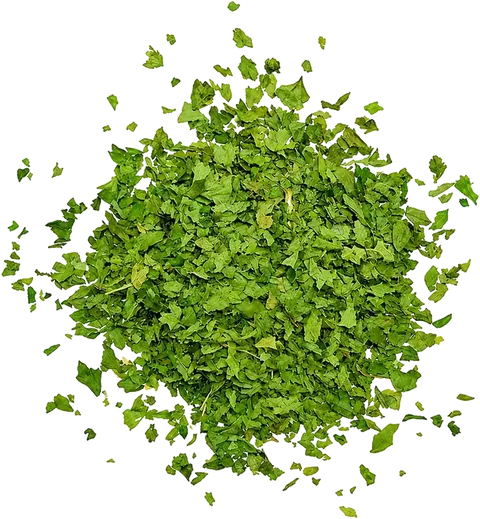
OH-SPEC-DPR-01Dried dehydrated parsley from Egypt

Dehydrated Parsley

Petroselinum crispum
Flakes 1–4 mmNovember to April
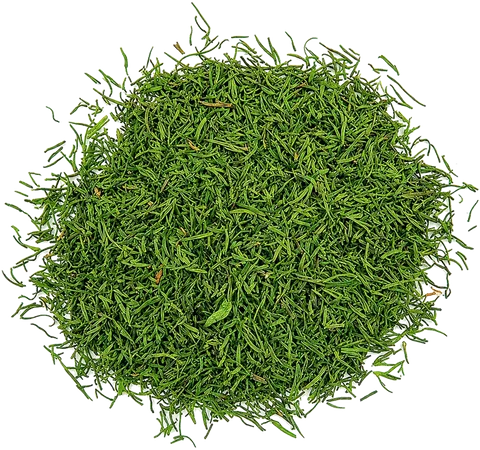
OH-SPEC-DDL-01Dried dehydrated dill from Egypt

Dehydrated Dill

Anethum graveolens L.
Tips / flakes 1–4 mmDecember to March
Request a quote

Quote dehydrated tomato for your next shipment.

Choose products, forms and quantities. Our export team replies by email with prices, availability and specifications, usually within one working day.