


How to Import Dried Herbs and Spices from Egypt: A Buyer's Guide
A practical checklist for buyers sourcing chamomile, hibiscus, mint, seed spices and dehydrated vegetables from Egypt.
Why source from Egypt
Egypt exported about $852 million of medicinal and aromatic plants and related products in 2025, grown on around 80,000 feddans and including marjoram, basil, mint, anise, chamomile, fennel, coriander and hibiscus [1]. Around 85% of production is exported [2], and Egyptian herbs and spices reach more than 100 countries [3]. In November 2024, Egypt's National Food Safety Authority passed the EU's technical review of its control system for microbiological contaminants in medicinal and aromatic plants [4].
1. Agree the specification first
Every lot should be produced against a written specification: botanical name, form and cut size, moisture, volatile oil, ash, microbiology, contaminants and allergens. Each of our products has one; you can read it online and download it as PDF.
2. Approve samples
Request samples of the grade you need, then a pre-shipment sample of the actual lot before loading.
3. Quantities and containers
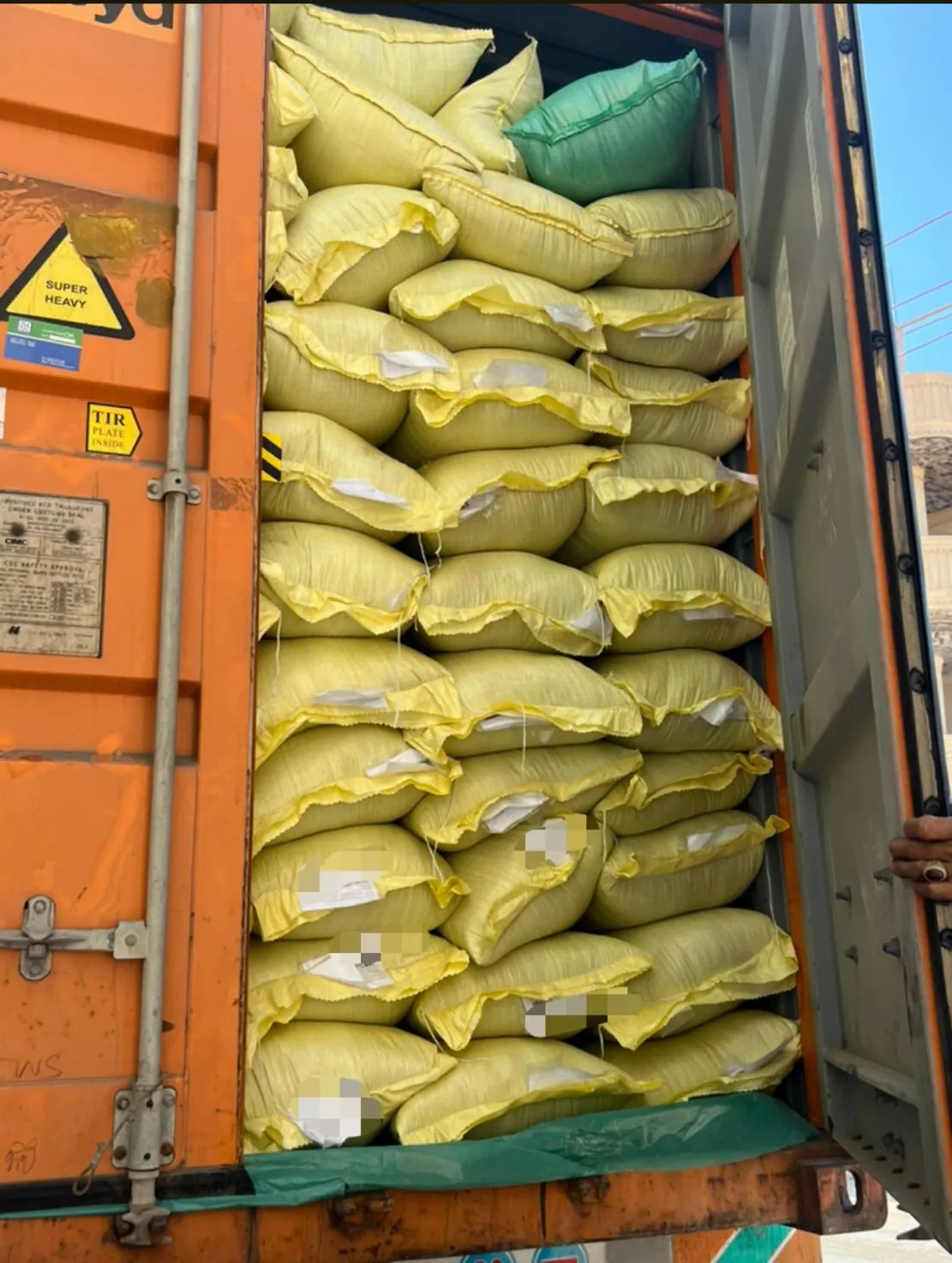
Our minimum is 1 MT per product, and several products can share a 20ft or 40ft container. Light flowers such as chamomile fill a container at a few tons; dense seeds such as nigella or fennel load 16–25 tons.
4. Incoterms
We quote FOB, CFR or CIF from Alexandria or Damietta, or EXW our facility in Ibshway, Faiyum.
5. Packing and labelling
Woven PP or multi-wall paper bags with a food-grade PE liner on ISPM 15 pallets. Each unit carries product name, botanical name, lot number, net weight, production and best-before dates, origin and your shipping marks.
6. Documents
Certificate of analysis per lot, phytosanitary certificate, certificate of origin (EUR.1 where applicable), packing list and commercial invoice. See our export documents guide.
7. Timing
Plan contracts around the new crop. Our harvest calendar lists the season for every product.
8. Storage on arrival
Keep goods on pallets in cool, dry, pest-controlled conditions below 25 °C and 65% RH. Shelf life is 24 months from production in unopened packaging.
Sources
- Daily News Egypt (2026): Egypt's medicinal, aromatic plant exports reach $852m in 2025
- Xinhua via The Star (Dec 2024): Egypt's ancient herbs bloom into promising modern industry
- Xinhua via Capital FM (Dec 2024): Egypt's ancient herbs bloom into promising modern industry
- Amwal Al Ghad: Egypt's NFSA highlights medicinal plants export challenges
Quick answers.
What is the minimum order for herbs from Egypt?
At Orient Herbs, 1 MT per product; products can be combined in one container.
Which Incoterms are used for Egyptian herbs?
Usually FOB, CFR or CIF from Alexandria or Damietta.
What shelf life do dried herbs have?
24 months from production in unopened original packaging.
Ready to fill your next container?
Choose products, forms and quantities. Our export team replies by email with prices, availability and specifications, usually within one working day.